🌿
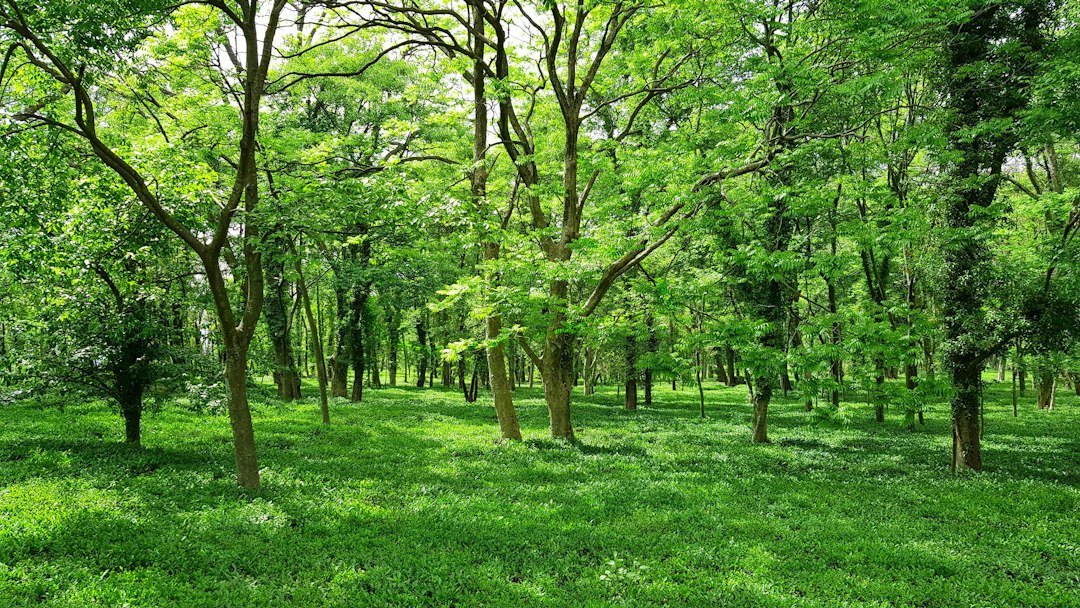
Photo by Ankit Choudhary on Unsplash.
You do not need a cabin in the mountains to benefit from time outside. A neighbourhood park, a tree-lined road, a garden, a riverside path or even a quiet bench under a tree can change the kind of stimulation your brain is dealing with for a while.
What the evidence says, without overselling it
The World Health Organization’s review of green and blue spaces and mental health found an overall positive relationship between access to these environments and mental health. It also noted an important limitation: no single type of green space works best for every person and every setting.
That is a more useful conclusion than saying “nature cures stress.” It does not. But access to calmer outdoor environments can be one supportive part of a healthier routine.
Why a park can feel different from a busy street
Urban environments demand constant filtering: traffic, signs, conversations, alerts, crossings, noise and movement. Natural settings can contain stimulation too, but it often feels less urgent. For some people, that makes it easier to let attention loosen rather than stay in problem-solving mode.
Add walking and you get a second benefit: gentle physical activity. That combination can be especially useful after a long day indoors.
You do not need an hour
If your schedule is crowded, waiting for a full afternoon in nature means you may rarely go. Try a smaller version:
- walk through a park for ten minutes on the way home;
- drink tea near an open window or balcony;
- take one phone call outside;
- eat lunch somewhere with trees or open sky;
- choose a greener route for a walk you already take.
What if you live in a dense city?
Use what is available. A small public garden, a university campus, a cemetery with walking paths, a riverside, a tree-lined street or a courtyard can still provide a change in environment. The point is not to create a perfect nature experience; it is to get some distance from constant indoor and screen-based stimulation.
Try going without audio for the first five minutes
Music and podcasts are great, but once in a while let the environment be the content. Notice temperature, wind, birds, traffic in the distance, light on buildings or the way the air smells after rain. That small shift can make the walk feel more like a reset than another stream of information.
Green space is not a substitute for fixing the source of stress
If your stress comes from debt, an unsafe relationship, an impossible workload or untreated anxiety, a park cannot solve that problem. It may help you calm down enough to think more clearly, but the underlying issue still needs practical action.
If stress has become a constant physical and mental background, our article on how chronic stress affects the brain and body explains what may be happening.
Combine nature with a habit you already want
If you are trying to walk more, choose a route with greenery. If you want to see a friend, meet in a park instead of always sitting indoors. If you need a lunch break, take it outside twice a week. Combining habits makes them easier to repeat.
For a realistic approach to movement, see our guide to the 10,000-step myth.
A simple experiment
For seven days, spend at least ten intentional minutes outside each day. Before you go, rate your stress from 1 to 10. Rate it again when you return. This is not a scientific test; it is a way to learn whether this particular habit actually helps you.
The best environment is the one you can access often enough to become part of your real life.

Mindful Truth Hub publishes practical, research-informed guides on mental wellbeing, relationships, fitness, sleep and healthier everyday habits.