📅
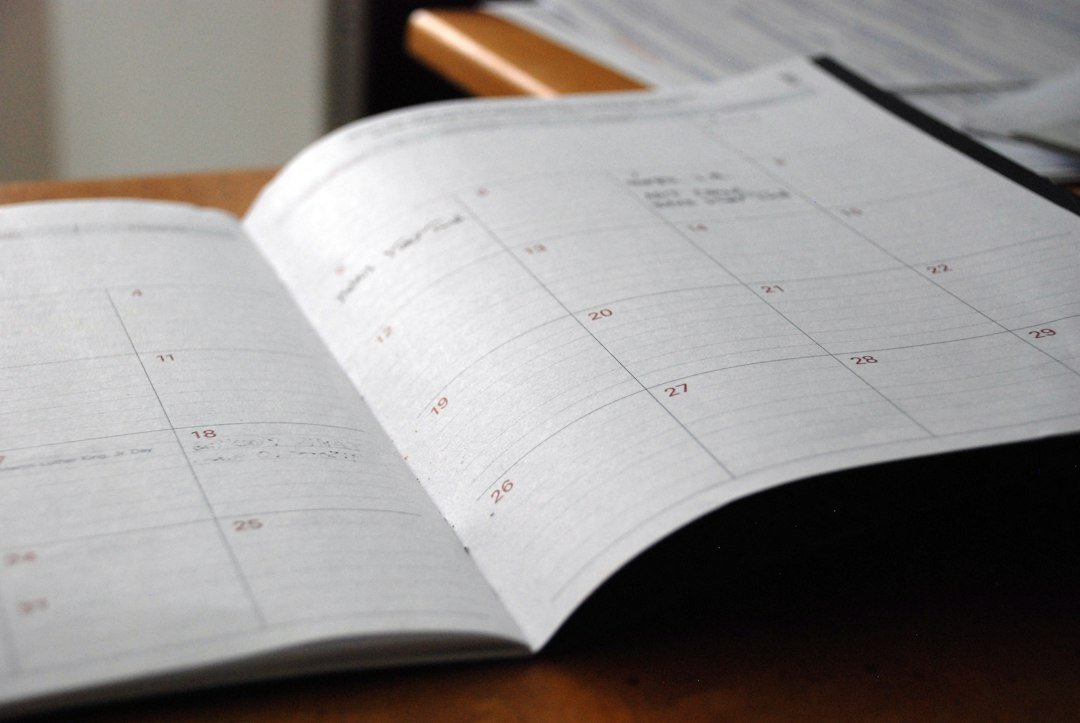
Photo by Eric Rothermel on Unsplash.
Motivation is great at getting things started. It is terrible at showing up on command. That is why a plan that only works when you feel inspired is fragile from the beginning.
Habits become easier when the context stays familiar
Recent research on physical-activity habits supports an idea that is easy to use in everyday life: repeating a behaviour in a consistent context can strengthen the habit. A 2026 systematic review and meta-analysis found that consistency of cues such as time and routine was associated with stronger physical-activity habits, although the effects were not huge.
In plain English: doing the same thing around the same cue can reduce how often you have to negotiate with yourself.
Use an anchor instead of a vague intention
“I will exercise more” has no clear starting point. “I will walk for ten minutes after lunch” does. The lunch becomes the cue.
Other examples:
- Stretch after brushing your teeth.
- Read five pages after making evening tea.
- Prepare tomorrow’s clothes after dinner.
- Write for ten minutes after opening your laptop.
You are not trying to make life robotic. You are removing one decision from a behaviour you already want to repeat.
Make the minimum embarrassingly easy
On motivated days you can do more. The minimum exists for ordinary days. If your goal is walking, the minimum could be five or ten minutes. If your goal is reading, it might be two pages. If your goal is tidying, it could be one surface.
A small minimum protects the identity of the habit: “I am still someone who does this,” even when life is busy.
Do not confuse a streak with a habit
Streaks are satisfying, but they can become brittle. One missed day feels like everything is ruined. A more useful metric is how quickly you return.
If you miss Monday and walk again Tuesday, the habit is alive. If you miss Monday and spend three weeks feeling guilty, the streak mattered more than the behaviour.
Track the thing you actually care about
If your aim is consistency, track repetitions rather than perfection. Put a simple mark on a calendar each time you complete the minimum. At the end of the month, ask how many times the habit happened, not whether the month looked flawless.
Environment usually beats willpower
Make the desired behaviour easier to start:
- keep walking shoes where you can see them;
- put fruit where you normally reach for snacks;
- leave the book on your pillow;
- prepare gym clothes the night before;
- remove one obvious distraction from the place where you work.
A 2024 study also found stronger links between habit and activity when people reported doing the behaviour with consistent cues such as the same time or routine. See the PubMed summary here.
Plan for travel, illness and bad weeks
Ask in advance: what counts when life is disrupted? Maybe your usual 30-minute workout becomes five minutes of stretching. Maybe your daily writing becomes one paragraph. A flexible fallback prevents an interruption from becoming an ending.
Build one habit at a time if you keep quitting
Trying to fix sleep, exercise, diet, reading, meditation and finances in the same week creates too many new decisions. Pick the one change that would make the biggest difference and give it a few weeks to become familiar before stacking more on top.
If walking is the habit you want to build, our four-week walking plan turns this idea into a simple progression.
Motivation is useful. Consistency is what carries the habit after the exciting part is over.

Mindful Truth Hub publishes practical, research-informed guides on mental wellbeing, relationships, fitness, sleep and healthier everyday habits.