Stress is something we all experience. Deadlines, arguments, financial pressure, health worries — life throws a relentless stream of challenges at us, and our bodies respond every single time. A little stress, as it turns out, is actually good for you. It sharpens your focus, motivates action, and helps you perform under pressure.
But chronic stress — the kind that never really goes away — is a completely different story. And the science behind what it does to your brain and body is, frankly, alarming.
Understanding stress at a deeper level is not just interesting — it could be one of the most important things you ever do for your long-term health and wellbeing. Because what you do not know about stress may already be hurting you.
What Happens in Your Body When You Are Stressed
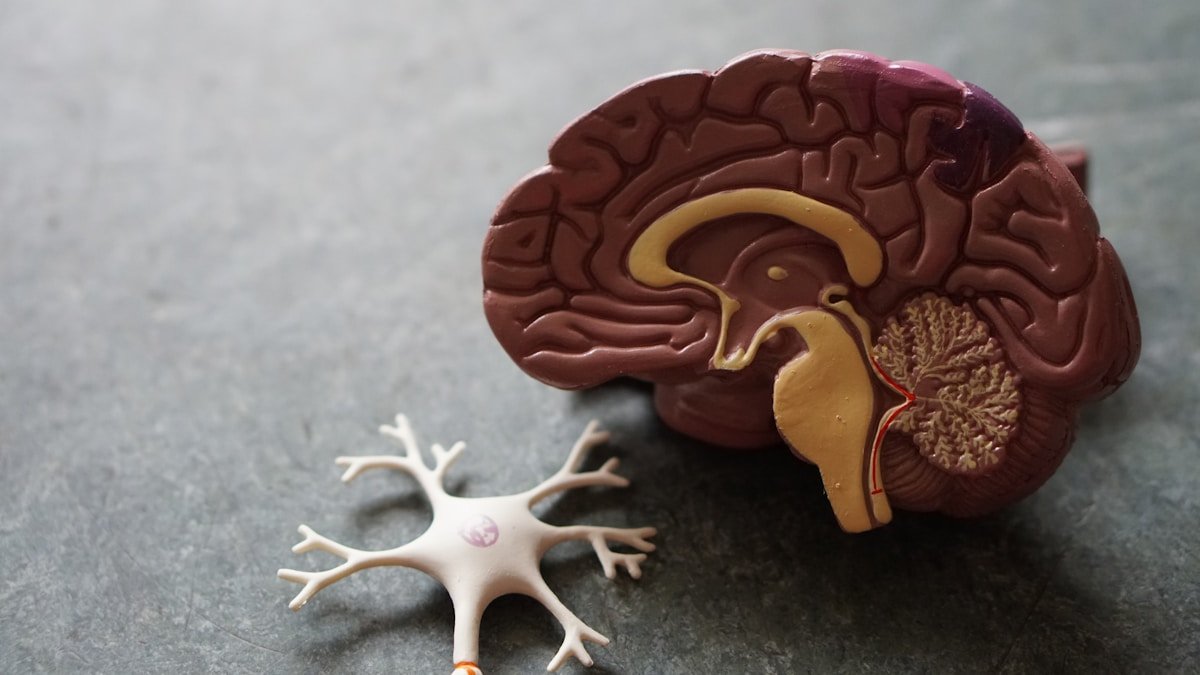
When your brain perceives a threat — whether it is a charging lion or an angry email from your boss — it triggers a cascade of physiological reactions known as the stress response or “fight or flight” response. Here is what happens in sequence:
- Your hypothalamus sends an alarm signal to your adrenal glands
- Your adrenal glands flood your bloodstream with adrenaline and cortisol
- Your heart rate increases, sending more blood to your muscles
- Your breathing quickens to take in more oxygen
- Your digestion slows down (your body does not need to digest food when running from a predator)
- Your immune response temporarily suppresses
- Your pupils dilate to improve vision
- Your liver releases stored glucose for immediate energy
This response is a remarkable evolutionary achievement. It kept our ancestors alive. The problem is that it was designed for short-term emergencies — not the sustained, low-grade stress that defines modern life. When the stress response is activated repeatedly and chronically, the same mechanisms that protect you in the short term begin to destroy you over time.
According to the American Psychological Association, chronic stress is linked to the six leading causes of death in the United States, including heart disease, cancer, and lung ailments. The numbers are sobering, and they underscore just how seriously we need to take this subject.
What Chronic Stress Does to Your Brain
Perhaps the most disturbing aspect of chronic stress is what it does to your brain — the organ you rely on for everything.
1. It Physically Shrinks Your Brain
This is not a metaphor. Chronic stress has been shown to physically reduce the volume of certain brain regions. The prefrontal cortex — the area responsible for decision-making, impulse control, and rational thinking — shrinks under prolonged stress. This is why stressed people make worse decisions and struggle to control their emotions.
At the same time, the amygdala — the brain’s fear and threat-detection center — actually grows larger with chronic stress. The result is a brain that is simultaneously worse at thinking clearly and better at being afraid. Not a good combination.
2. It Kills Brain Cells in the Hippocampus
The hippocampus is the brain region most responsible for memory and learning. Research published by Harvard Health and other institutions has shown that chronically elevated cortisol levels actively damage and destroy neurons in the hippocampus. This is why highly stressed people often struggle to remember things, concentrate, or learn new information.
This damage also directly contributes to the development of depression and depression and anxiety. The brain under chronic stress is not just unhappy — it is structurally compromised.
3. It Rewires Your Brain Toward Negativity
Chronic stress strengthens neural pathways associated with negative thinking, fear, and rumination. The more stressed you are, the more automatically your brain gravitates toward worst-case scenarios and self-doubt. This is the neurological basis of the rumination that so many people struggle with — and it explains why simply “thinking positive” is so difficult when you are chronically stressed.
What Chronic Stress Does to Your Body
The damage does not stop at the brain. Chronic stress is essentially a full-body attack.
Heart and Cardiovascular System
Chronic stress keeps your heart rate and blood pressure elevated for prolonged periods. Over time, this damages blood vessels and arteries, increases the risk of hypertension, and significantly raises the likelihood of heart attack and stroke. A major study published in the Lancet found that work-related stress alone increases the risk of coronary heart disease by 23%.
Immune System
Short-term stress actually boosts your immune system temporarily. But chronic stress has the opposite effect — it suppresses immune function, making you more vulnerable to infections, slower to heal, and more likely to develop autoimmune conditions. According to the National Institute of Mental Health, chronic stress is a significant factor in immune system dysregulation.
Digestive System
The gut-brain connection is real and powerful. Chronic stress disrupts digestion, causes inflammation in the gut lining, worsens conditions like irritable bowel syndrome (IBS), and can alter the composition of your gut microbiome. This connection also flows in reverse — gut health affects brain health and mood, creating a vicious cycle when stress is present.
Sleep
Stress and sleep have a deeply destructive relationship. Stress makes it harder to fall asleep and stay asleep, and sleep deprivation makes you more reactive to stress. Chronic sleep disruption further elevates cortisol levels, impairs cognitive function, and dramatically worsens both physical and mental health outcomes.
Reproductive System
Chronic stress disrupts hormone balance, affecting fertility, libido, and menstrual cycles in women. In men, prolonged elevated cortisol suppresses testosterone production. These effects are often overlooked but are well-documented in the research literature.
The Cortisol Problem: Why It All Comes Back to One Hormone
At the center of most of stress’s destructive effects is cortisol — the primary stress hormone. In appropriate doses, cortisol is essential for life. It regulates metabolism, controls blood sugar, reduces inflammation, and helps manage the sleep-wake cycle.
But when cortisol is chronically elevated — as it is during ongoing stress — it becomes a biological wrecking ball. It damages brain cells, suppresses immunity, increases abdominal fat storage, raises blood pressure, disrupts sleep, and fuels anxiety and depression. Understanding that cortisol is the key mechanism helps explain why stress management is not just about feeling better — it is about protecting your biology.
Are You Chronically Stressed? Key Warning Signs
Many people have lived with chronic stress for so long that it feels normal. Here are the signs that your stress levels may have crossed from manageable into damaging:
- You feel tired even after a full night’s sleep
- You are frequently irritable, short-tempered, or emotionally reactive
- You experience recurring headaches, stomach problems, or muscle tension
- You find it difficult to concentrate or remember things
- You feel overwhelmed by tasks that used to feel manageable
- You have lost interest in activities or hobbies you used to enjoy
- You are getting sick more frequently than usual
- You rely on alcohol, food, or other substances to unwind
- You feel a persistent sense of dread or unease that you cannot fully explain
If several of these resonate with you, chronic stress is likely playing a significant role in your life right now. The good news is that the brain is remarkably adaptable — and with the right strategies, many of stress’s effects can be reversed.
Evidence-Based Strategies to Combat Chronic Stress

1. Exercise: The Most Powerful Stress Medicine
Physical exercise is the single most well-researched intervention for stress. It directly lowers cortisol and adrenaline levels, stimulates the production of endorphins, and promotes the growth of new brain cells in the hippocampus — reversing some of the damage chronic stress causes. Even 30 minutes of moderate exercise three to five times a week produces significant measurable benefits. You do not need a gym or an intense workout — a brisk walk works.
2. Mindfulness and Meditation
A landmark study from Harvard Medical School found that eight weeks of Mindfulness-Based Stress Reduction (MBSR) practice produced measurable changes in brain structure — reducing amygdala volume and increasing gray matter density in areas associated with emotional regulation. Daily mindfulness practice lowers cortisol, reduces rumination, and builds psychological resilience over time. Start with five minutes a day and build gradually.
3. Social Connection
Human connection is one of the most powerful buffers against stress. Research consistently shows that people with strong social support networks have lower cortisol levels, recover faster from stressful events, and live longer, healthier lives. This connects directly to what we explored in our article on why loneliness hurts — relationships are not just emotionally important, they are biologically protective.
4. Sleep Optimization
Prioritizing sleep is one of the most effective things you can do to reduce chronic stress. During deep sleep, your brain clears metabolic waste, consolidates memories, and resets the stress response. Aim for 7 to 9 hours per night. Create a consistent sleep schedule, limit screen exposure before bed, and keep your bedroom cool and dark.
5. Controlled Breathing
Slow, controlled breathing directly activates the parasympathetic nervous system — your body’s “rest and digest” counterpart to the stress response. The physiological sigh (a double inhale through the nose followed by a long exhale through the mouth) has been shown by Stanford researchers to be the single fastest way to reduce physiological stress in real time. It works within seconds.
6. Cognitive Reappraisal
This is the practice of consciously reinterpreting stressful situations in a less threatening way. Instead of “this is a disaster,” you ask “what can I control here? What might I learn from this?” Research shows that people who practice cognitive reappraisal have lower cortisol responses to stressors and better long-term mental health outcomes. This is a core skill in Cognitive Behavioral Therapy and connects closely to strategies for stepping out of your own life.
7. Time in Nature
Japanese researchers developed a practice called Shinrin-yoku or “forest bathing” — simply spending time in natural environments. Studies have shown that as little as 20 minutes in a natural setting measurably reduces cortisol levels, lowers blood pressure, and improves mood. You do not need a forest — a park, a garden, or even a tree-lined street provides meaningful benefits.
When to Seek Professional Help
If chronic stress is significantly affecting your daily functioning, relationships, or physical health, please do not hesitate to seek professional support. A therapist — particularly one trained in Cognitive Behavioral Therapy or mindfulness-based approaches — can provide personalized strategies and help you address the root causes of your stress. Your doctor can also evaluate whether stress is contributing to physical health issues that need attention.
You can also explore our guide on understanding hidden depression to learn more about how chronic stress and depression are connected, and what treatment options exist.
The Bottom Line
Chronic stress is not just a feeling — it is a physiological state that causes measurable, documented damage to your brain and body over time. But it is also something you can actively manage, reduce, and recover from. The strategies above are not just good ideas — they are evidence-based interventions with decades of research behind them.
Your brain is capable of remarkable change. Neurons can regrow. Neural pathways can be rewired. The amygdala can shrink back to normal size. None of this happens overnight, but with consistent practice, real recovery is possible.
Start today. Pick one strategy from this list and commit to it for one week. Just one. That single step may be the beginning of one of the most important changes you ever make for your health.
Want to go deeper? Read our articles on hidden depression, what exercise actually does for depression, and why loneliness hurts to continue your journey toward better mental health.

Mindful Truth Hub publishes practical, research-informed guides on mental wellbeing, relationships, fitness, sleep and healthier everyday habits.