🥣
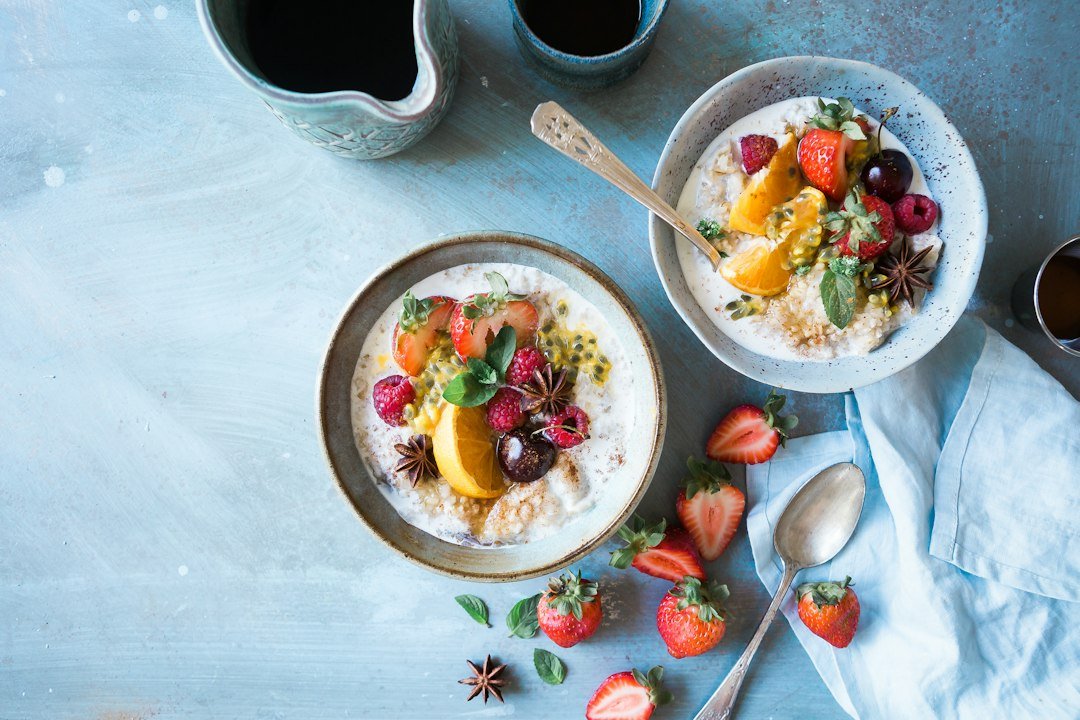
Photo by Brooke Lark on Unsplash.
“Eat more protein” is one of those nutrition tips that gets repeated so often it can stop being useful. The more practical question is: what would adding some protein to breakfast actually change for an ordinary person?
The clearest benefit is usually fullness
Protein tends to be more filling than a meal built mostly from quick-digesting carbohydrates. A systematic review and meta-analysis of randomized trials found that higher-protein meals generally reduced hunger and increased fullness in the short term. Breakfast-specific trials have also found stronger satiety responses in some groups, although results vary with meal size, protein amount and the people being studied.
So the realistic claim is not “protein breakfast = perfect energy all day.” It is that protein can make breakfast more satisfying and may make it easier for some people to reach lunch without feeling constantly hungry.
What counts as a protein-rich breakfast?
You do not need protein powder. Depending on your diet and budget, useful options include:
- eggs with whole-grain toast and vegetables;
- plain Greek-style yogurt with fruit, oats or nuts;
- milk or soy milk with oats;
- paneer or tofu with vegetables and roti;
- dal, chana or leftover beans from dinner;
- nut butter on toast with fruit;
- leftovers from last night’s meal if that is what you actually enjoy.
Breakfast does not have to look like an Instagram breakfast. A bowl of dal and rice can be breakfast if it works for you.
Does everyone need breakfast?
No. Some people wake up hungry; others do not. Evidence around breakfast and weight management is more complicated than the old claim that breakfast is automatically “the most important meal of the day.” A review of breakfast trials found that appetite effects depend on meal composition, size and habitual eating patterns, with higher-protein solid breakfasts tending to produce stronger satiety in some studies.
If you feel well, concentrate normally and meet your nutritional needs later in the day, you do not need to force a large meal simply because a wellness rule told you to.
Protein is only one part of the meal
A breakfast of processed meat alone contains protein, but that does not automatically make it balanced. Fibre, fruit or vegetables, whole grains, healthy fats and overall food quality still matter. A more useful question is: does this meal give me protein, fibre and enough energy to get through my morning?
What about energy and concentration?
Some small trials have reported improvements in satiety and aspects of concentration after higher-protein breakfasts, including a 2024 randomized crossover study in young women with overweight or obesity. That is interesting, but it should not be turned into a universal promise. Sleep, hydration, stress, caffeine, total calorie intake and medical conditions can all affect daytime energy more than one breakfast choice.
A simple way to improve the breakfast you already eat
Do not rebuild the whole meal. Add one protein source to what you already do. If you eat toast, add eggs, yogurt or nut butter. If you eat oats, use milk or soy milk and add nuts. If you eat poha or upma, consider yogurt, peanuts or a side of eggs depending on your preferences.
That is usually easier to maintain than following a complicated meal plan.
When nutrition advice needs to be individual
If you have kidney disease, diabetes, a digestive condition, are pregnant, are trying to gain or lose significant weight, or have been told to follow a specific diet, generic protein advice may not be appropriate. A clinician or registered dietitian can help you choose an amount and pattern that fits your health.
Food also interacts with sleep and appetite. Our guide on how nutrition and sleep affect each other explains that connection in more detail.
The useful takeaway is simple: protein can make breakfast more filling, but there is no magical breakfast and no single meal that determines your health.

Mindful Truth Hub publishes practical, research-informed guides on mental wellbeing, relationships, fitness, sleep and healthier everyday habits.